Hearing the words “your dog has cancer” is one of the most devastating moments a pet owner can experience. One moment you’re sitting in a veterinary exam room expecting routine news. The next, everything feels uncertain.
Questions flood your mind.
How serious is it?
How much time do we have?
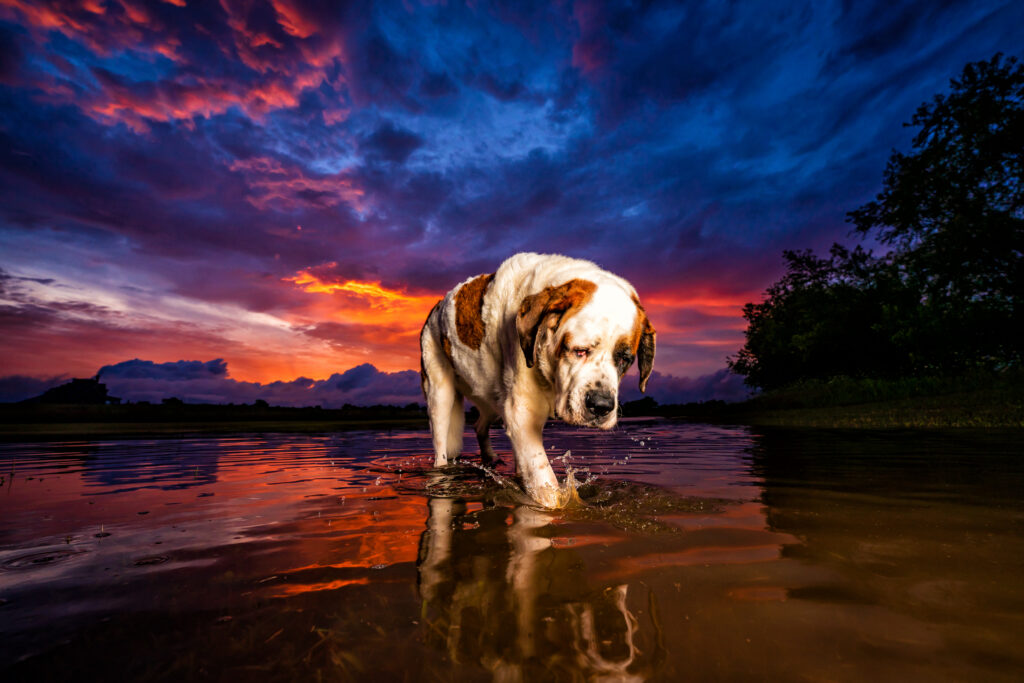
When my Saint Bernard, Hannah, was diagnosed with osteosarcoma, I remember asking the vet that exact question.
“How long?” thinking he was going to respond with options and months. She was the first dog I had to navigate this with on my own, as an adult.
When he paused and responded, “Days or weeks,” I couldn’t breathe.
Anyone who has ever loved a dog knows the feeling. It’s not just sadness. It’s shock. It’s the sudden realization that something you thought you had years of is suddenly measured in moments.
And yet, sometimes those moments stretch into something extraordinary.
We were told Hannah might only have days.
We got four more months.
Four months of sunshine.
Four months of couch snuggles.
Four months of realizing that time, when you know it’s limited, suddenly becomes incredibly precious.
If your dog was just diagnosed with cancer, you are probably standing at the beginning of that same road. This article isn’t about treatment plans or medical definitions. Your veterinarian will guide you through that.
This is about something else.
How to move through this time with intention.
How to honor your dog’s life while they’re still here.
Step 1: Take a Breath and Process the News
Right now your brain is trying to solve an impossible problem. How do you prepare to lose a best friend who is still right beside you?
You may feel overwhelmed. Numb. Panicked. Heartbroken. Lost.
All of those feelings are normal.
A dog cancer diagnosis can feel like emotional whiplash. One moment you’re scheduling a routine appointment. The next moment you’re sitting in your car in the parking lot trying to hold yourself together.
When I lost my Great Dane, Ellie, we took her in for diagnostics and fluids in the morning. By afternoon, we were told the kindest thing we could do was to set her free. If you are fortunate enough to have even just days to spend with your dog, take a breath and keep reading.
Right now, the most important thing is simply this:
Go home.
Sit on the floor.
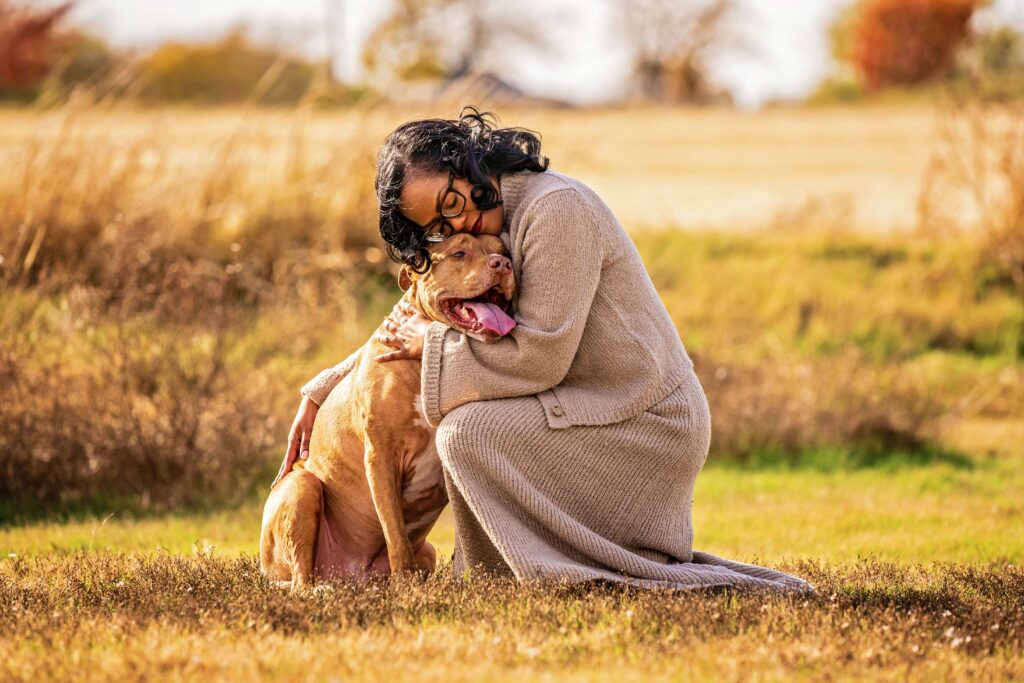
Put your arms around your dog.
Let them remind you of what matters most.
“It’s not just mourning an animal. It’s mourning a best friend, a source of comfort, and a constant in your daily life.” – Angela Corley, LMSW, MBA
Dogs Don’t Know They Are Dying
This realization changed everything for me.
After Hannah’s diagnosis, I kept looking at her wondering if she knew something was wrong.
She didn’t.
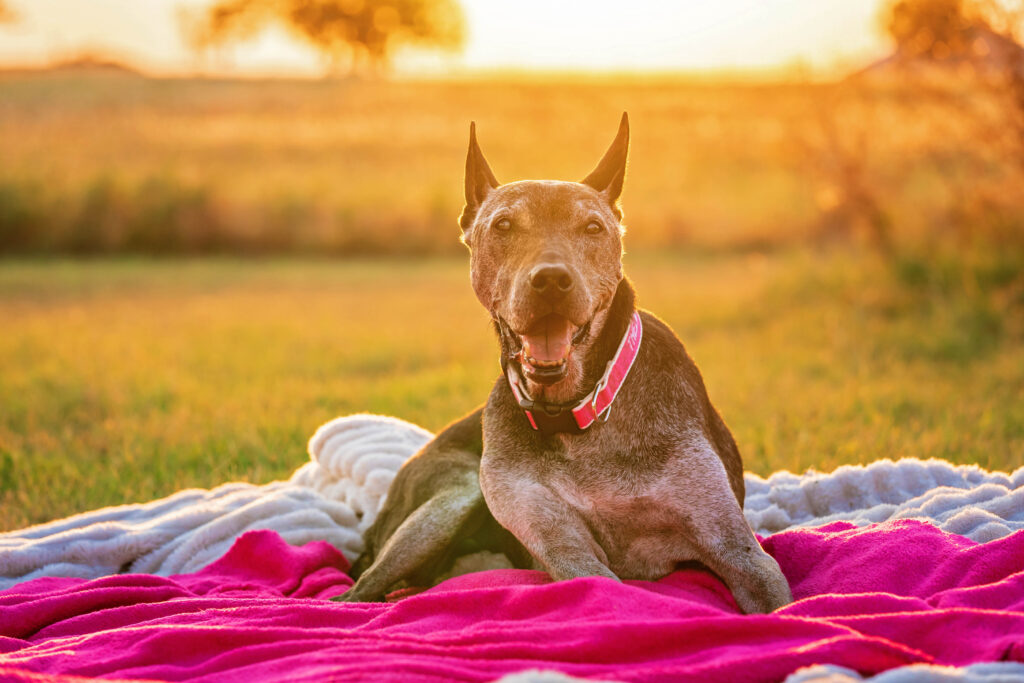
She still wagged her tail when we gave her special bones. She still curled up on the couch letting our other dog use her butt as a pillow. She still shook her head, which wiggled all the way down her body and out through her tail, making us laugh.
Dogs do not live in the future the way we do.
They are not worrying about prognosis or timelines.
They are living in right now.
Which means the greatest gift we can give them during this time is the same thing they have always given us:
Presence.
When Time Becomes Precious, Everything Changes
Once you hear the words “your dog has cancer,” something shifts.
The ordinary moments suddenly feel extraordinary.
Morning walks become something sacred.
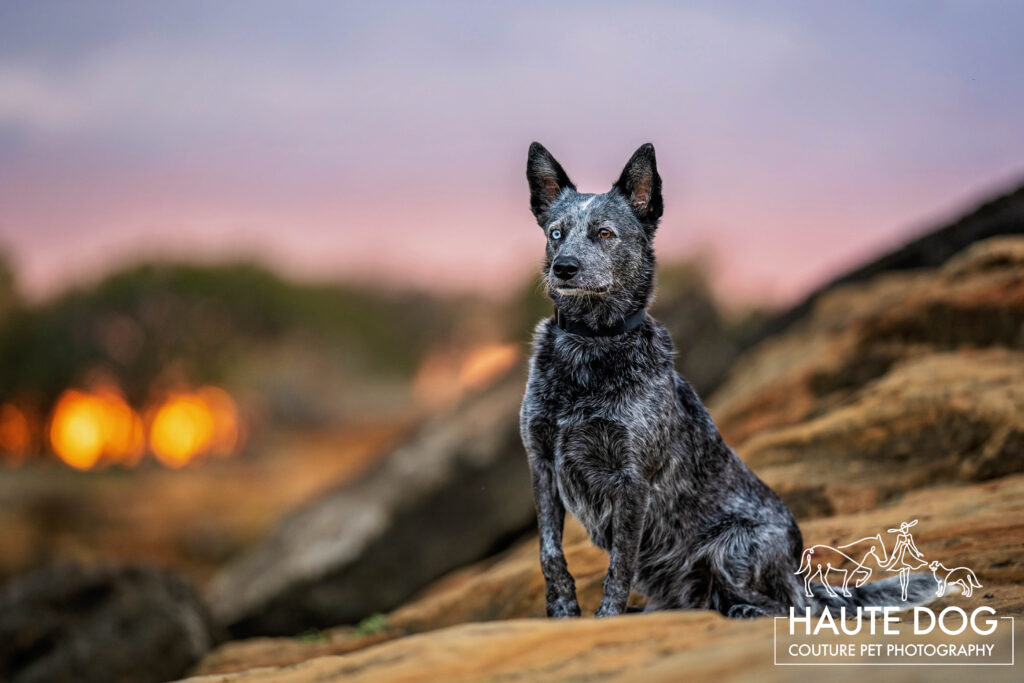
You start zeroing in on the way their ears flop when they run.
The way they sigh when they settle down beside you.
The tiny gray hairs around their muzzle.
You realize you are watching a story that will someday end.
And instead of rushing through life the way we often do, you begin to slow down.
It has taken me years to acknowledge it, but that slowing down is one of the hidden gifts of this difficult chapter.
Create a “Bucket List” for Your Dog
One of the most healing things many families do after a dog cancer diagnosis is create a bucket list.
Not because you’re trying to outrun the diagnosis. But because you want to make the time that remains meaningful.
A dog bucket list doesn’t need to be dramatic. Sometimes the most meaningful things are incredibly simple.
Favorite places
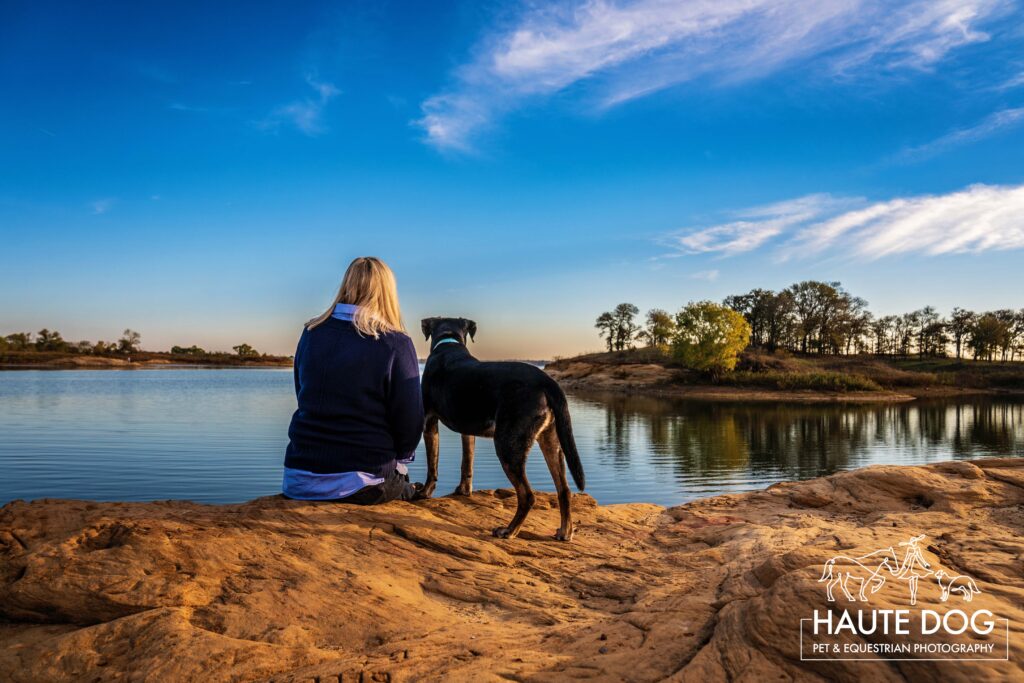
Take your dog back to the places they’ve always loved.
Their favorite park.
The trail where they loved to hike.
The lake where they discovered swimming.
Favorite foods
Cheeseburgers.
Pasta. (Or is this just my dogs that love noodles??)
Puppuccinos.
The joy on their face is priceless.
Favorite people
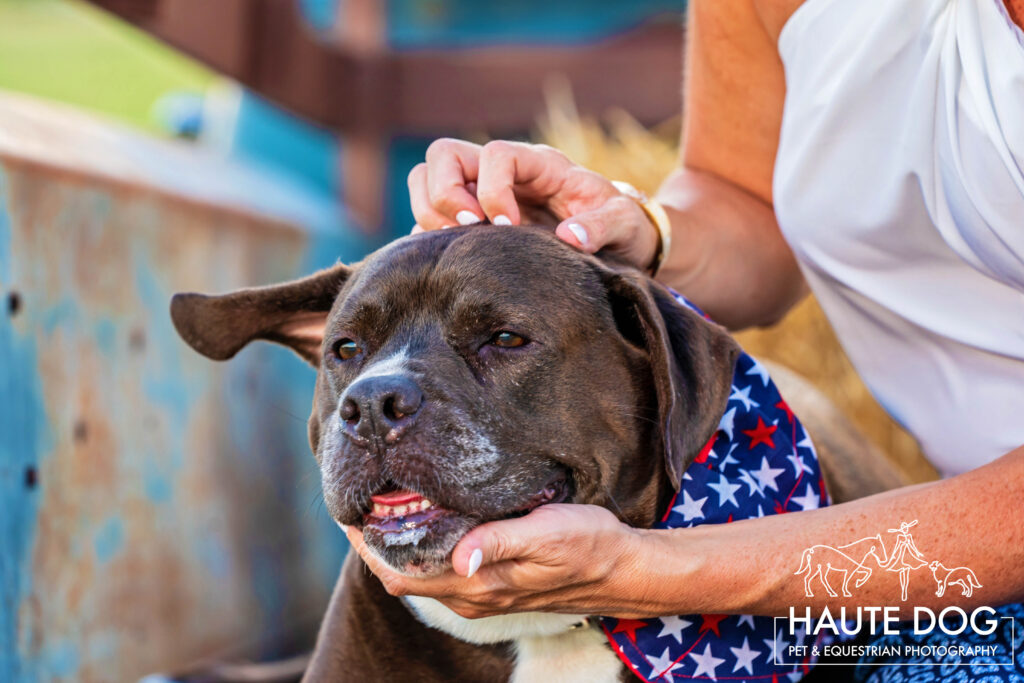
Let your dog spend time with the people who love them.
Friends, family members, and the humans who have been part of their life story. Our family friend, Mary, came over to love on Hannah and she felt like the queen bee she was. The intention of others showing up for your dog is a highlight for pups driven by praise and affection.
Favorite memories
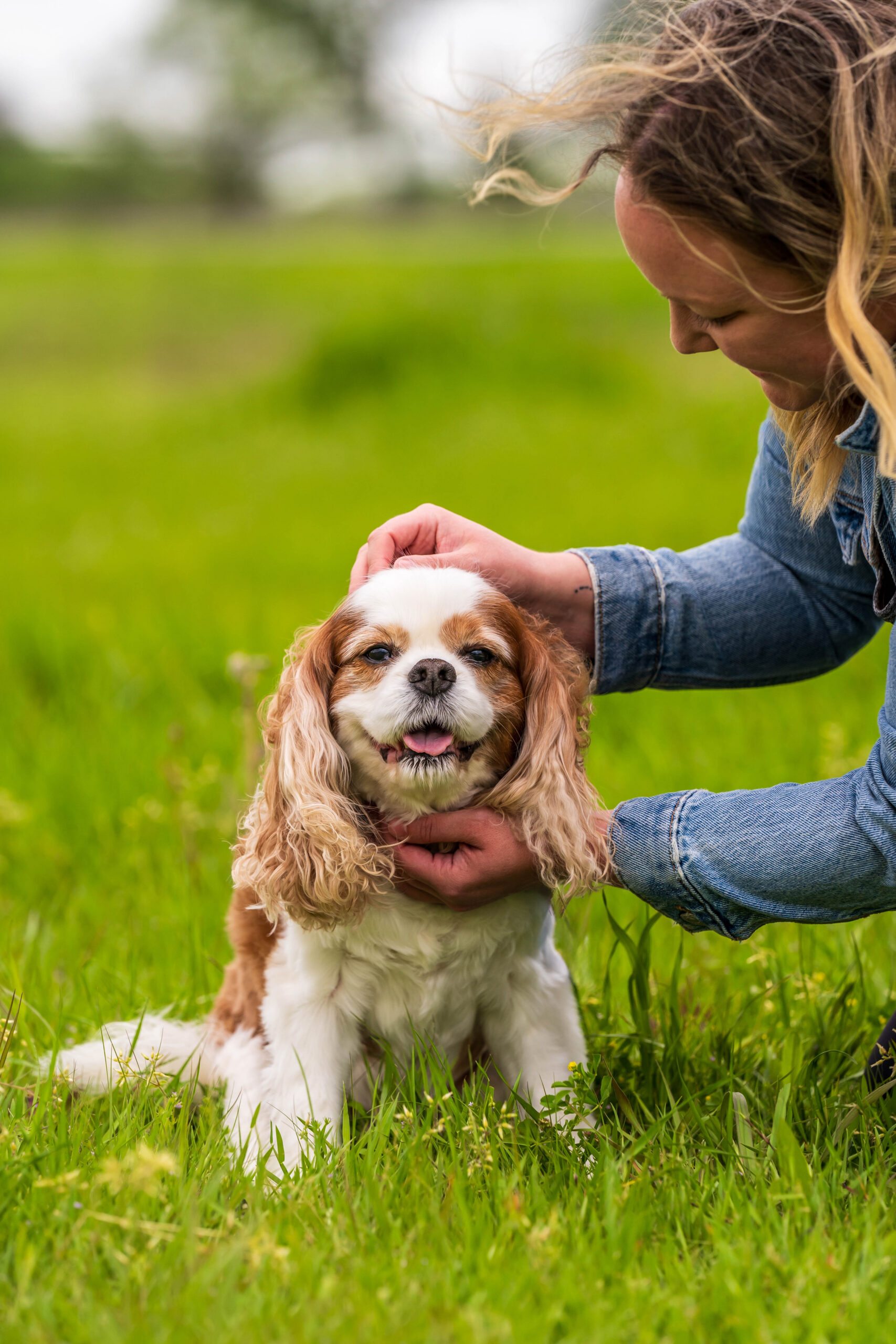
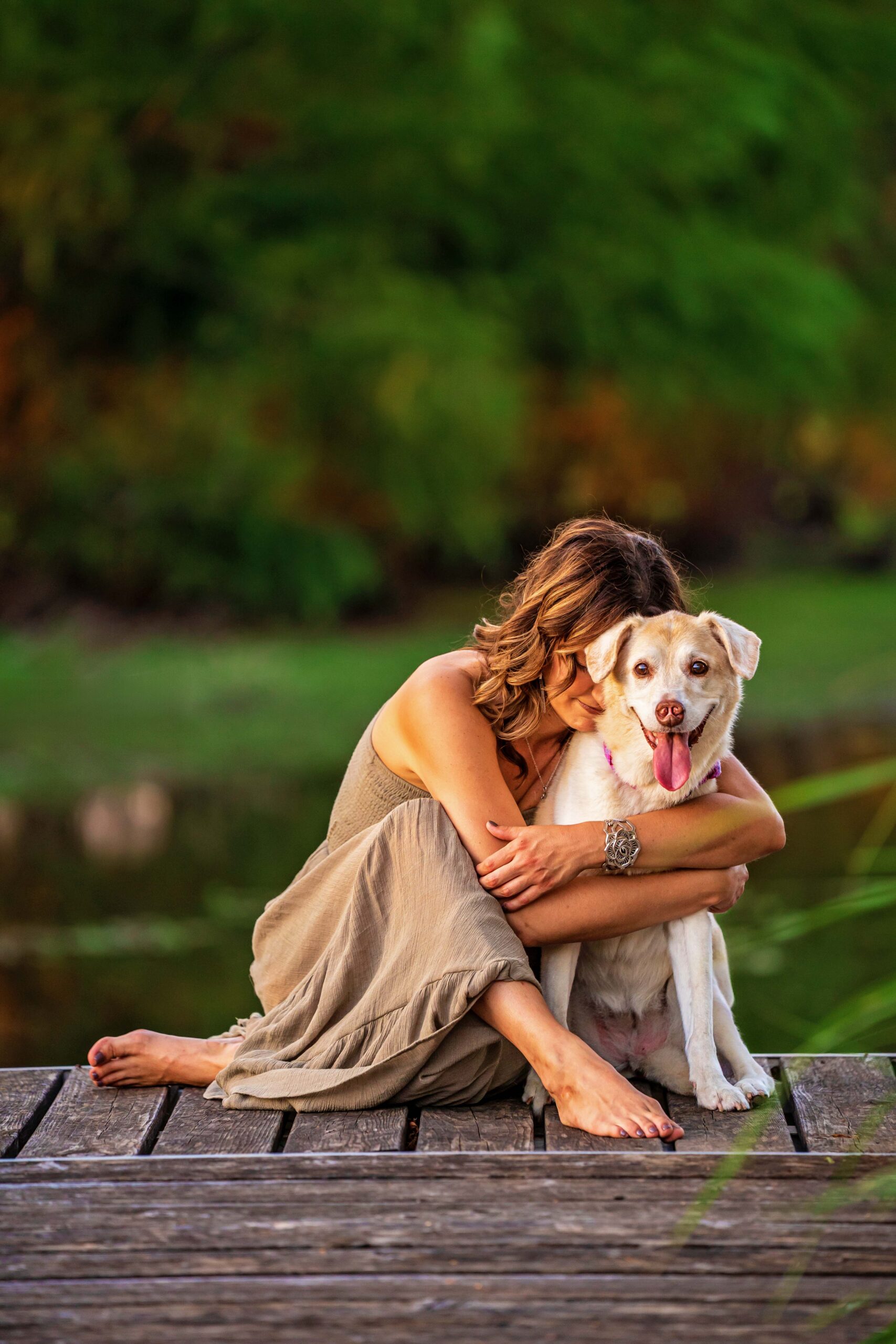
For some families, this also includes capturing photographs together.
Not always posed portraits. Just honest images of the relationship you share.
Because those moments become incredibly meaningful later.
Take the Photos. Even If You Don’t Feel Ready.
We always called Hannah our flower child. She had the most vibrant personality and wanted to be friends with everyone. She lived life a free spirit without a care in the world.
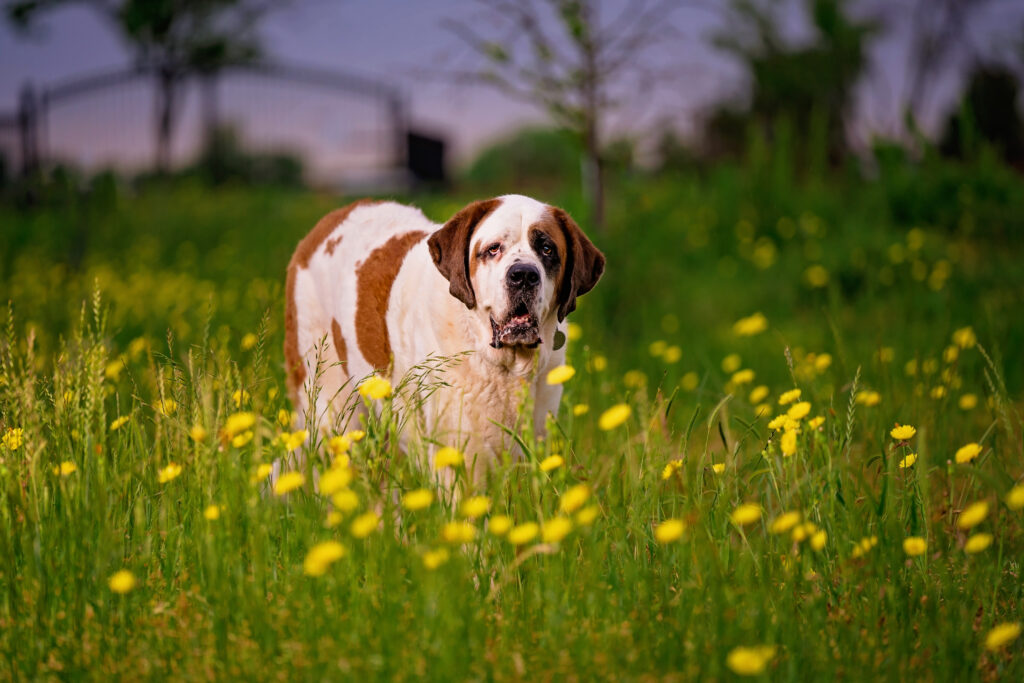
The week Hannah was diagnosed, we took photos of her in a field glowing with yellow blooms and she trotted through them like she belonged to that landscape.
Strong. Beautiful. Completely herself.
Looking back now, those photographs mean more than I could ever explain.
Take photos of:
- the way your dog curls up next to you
- the way they look at you when you say their name
- their favorite toy
- their favorite sleeping spot
- the details of their fur
- your favorite features
Don’t worry about perfection.
What matters is capturing who they are.
You Don’t Have to Be Strong Every Day
There will be days when you feel hopeful.
Days when your dog seems like their normal self again.
And there will be days when the reality of the situation hits you all over again.
You might cry in the shower.
Or in the car.
Or while watching your dog sleep.
This kind of grief is called anticipatory grief. It happens when we begin mourning a loss before it actually occurs.
It’s incredibly common for people caring for dogs with cancer.
Give yourself permission to feel whatever you feel. Your love for your dog is what makes this so hard.
What This Chapter Can Teach Us
When a dog is diagnosed with cancer, it can feel like the worst thing imaginable. And in many ways, it is. But many people who have walked this path also describe something unexpected.
A deep awareness of how precious life really is.
You begin noticing the small moments you used to rush past.
The quiet mornings.
The shared routines.
The simple joy of being together.
Dogs have always lived this way. Fully present. Fully engaged with the moment they’re in.
In some ways, this chapter reminds us how to do the same.
I sat on the floor with Hannah, Jake, and Kimber almost every day after each of them showed signs of rapid aging and illness. Far more than I did on a routine basis before. Sometimes I was soaking in their smell and the feel of their fur. Others I was bawling into their necks.
How Do You Know When It’s Time to Say Goodbye?
This may be the hardest question any dog owner ever faces.
Many people search “when to euthanize a dog with cancer” because they are desperate for clarity.
Unfortunately, there is rarely a perfect answer. Instead, veterinarians encourage families to think about quality of life.
Is your dog comfortable? Are they still able to experience moments of happiness? Are the good days outnumbering the difficult ones?
Dogs have an incredible ability to live fully in the present. When their bodies begin to struggle, our role becomes protecting them from unnecessary suffering.
Choosing to say goodbye is one of the most painful decisions a dog parent can make. But it can also be one of the most compassionate. Each time I have had to let one of my dogs go, I told myself with great resolve that I would rather be in pain missing them for the rest of my life than have them be in pain for a moment of theirs.
For Dog Moms Walking This Road
If you are here because your dog was just diagnosed with cancer, please know something important.
You are not alone.
Thousands of dog owners walk this road every year.
The shock you feel right now is something many others have felt too.
The fear.
The sadness.
The determination to make every remaining day count.
All of it comes from one place.
Love.
And that love is what will guide you through what comes next.
Be present. Love them.
And fill whatever time remains with the same joy they have given you every day of their life.
Because in the end, that love is what truly lasts forever.
For Families in Dallas–Fort Worth
If your dog has recently been diagnosed with cancer and you live in the Dallas–Fort Worth area, you may find comfort in slowing down and intentionally creating memories during this time.
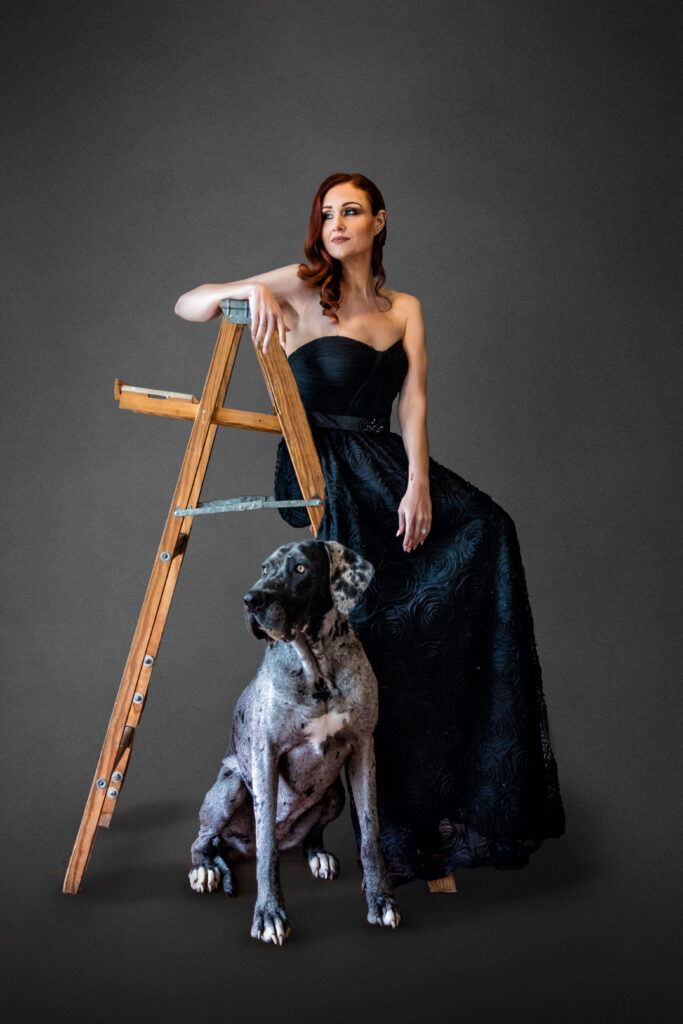
At Haute Dog Pet Photography, we create end-of-life and legacy portraits for pets across Dallas-Fort Worth so families can preserve the bond they share with their animals before saying goodbye.
Sometimes we photograph a joyful adventure in the field.
Sometimes we simply document the quiet way a dog rests their head in their owner’s lap.
A day filled with the things that bring your dog joy, and epic photos that take you right back to that moment. Because when the time comes, photographs become more than pictures, they become a way for your dog to live forever.
If this is something that would help you navigate your dog’s cancer diagnosis, you can reach out here for priority scheduling:
Additional Resources for Navigating the Loss of a Pet
Healing After Pet Loss: Understanding Grief and Finding Support