The Myths of Dog Modeling
Let’s start here, because this is where most people get it wrong.
When people hear “commercial dog model,” they assume we’re looking for:
- perfectly trained dogs
- dogs who never break a command
- dogs who perform like robots
That’s not it.
We’re not casting the most obedient dog. We’re casting the most compelling one.
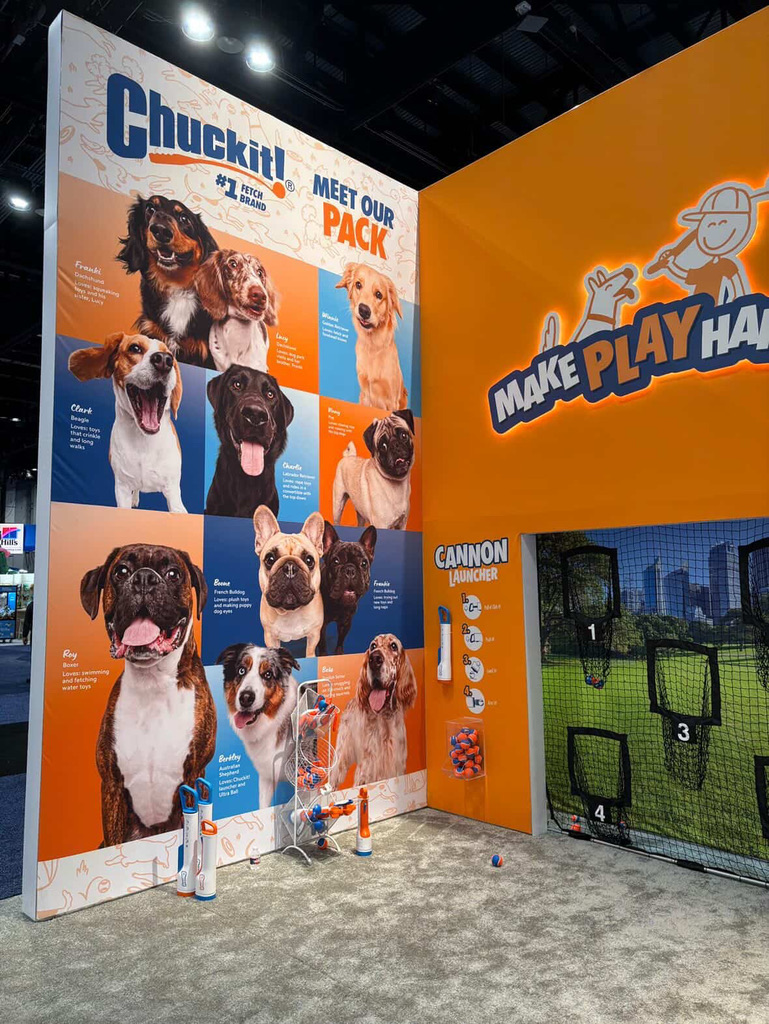
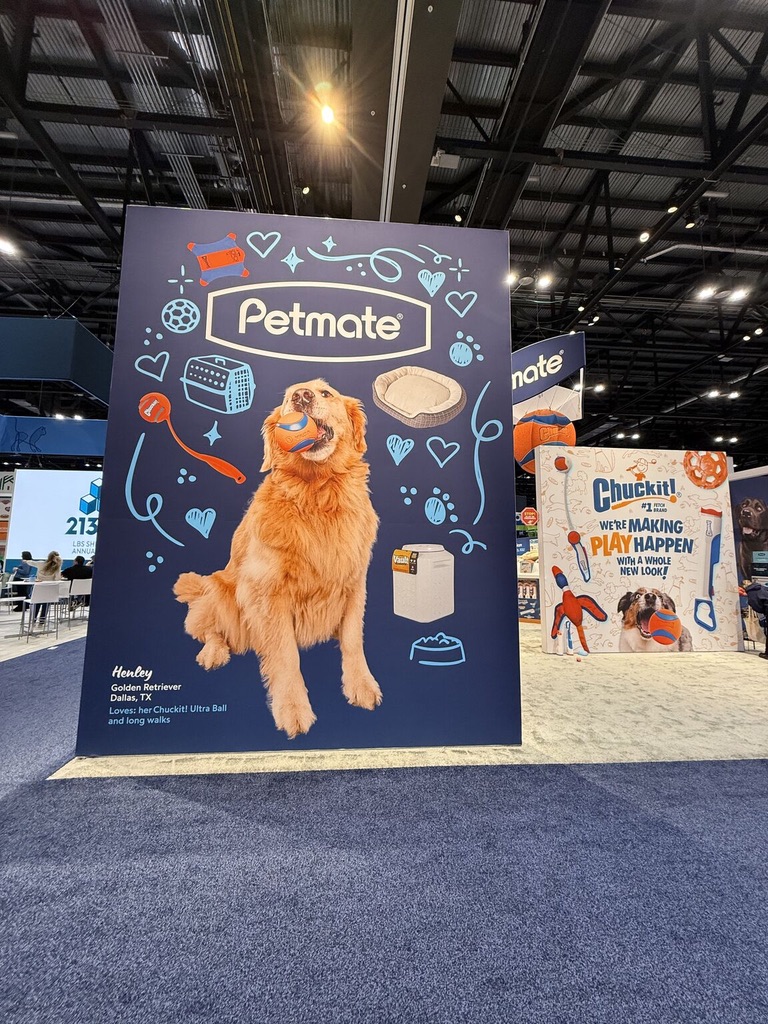
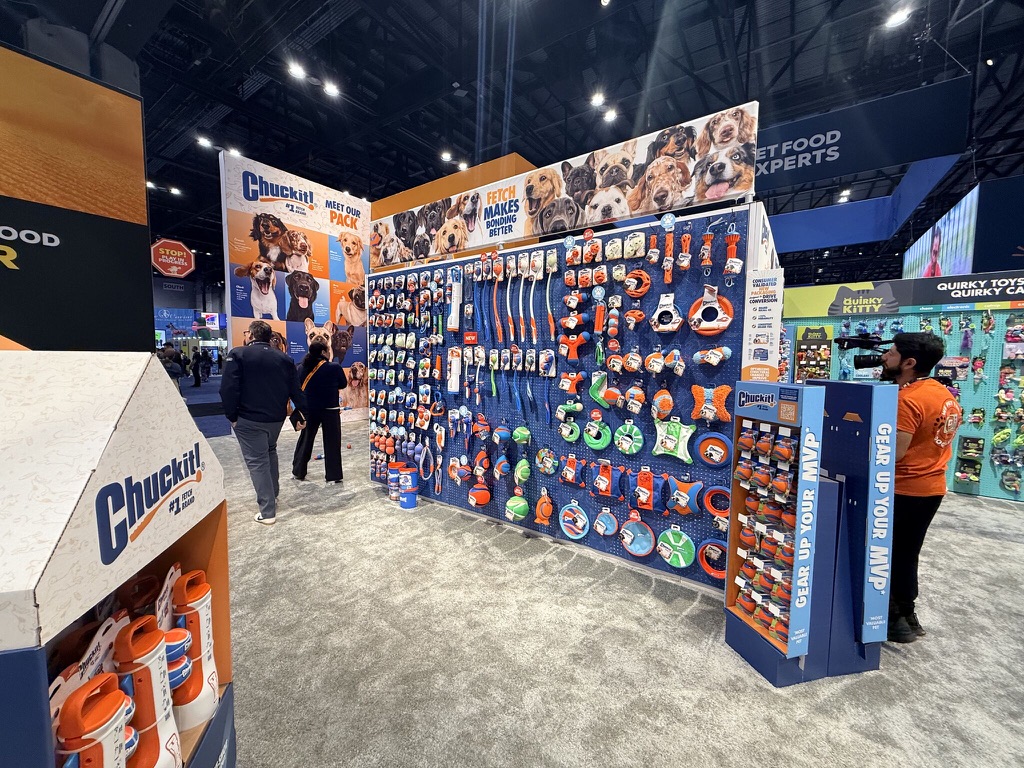
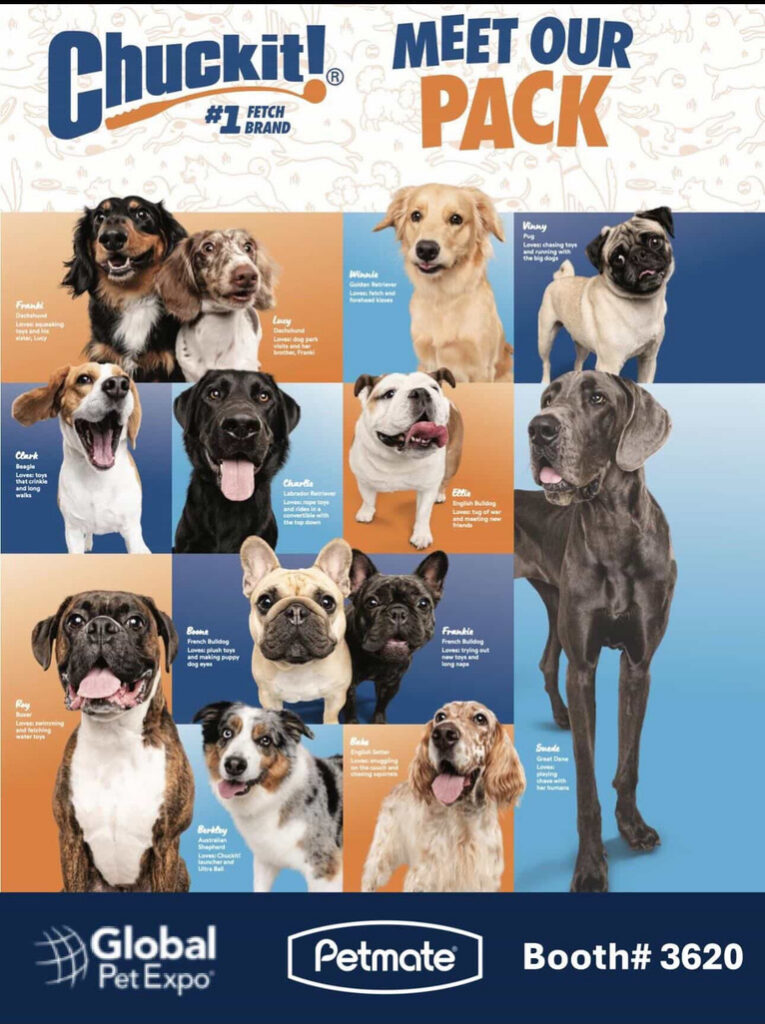
Because brands aren’t buying obedience, they’re buying connection, personality, and presence. With the uptick in AI everywhere you look, brands are pushing more toward authenticity than ever before. Using real dogs with real personalities over AI or stock photos. That was the exact message when we photographed 15 Dallas dogs for Chuckit’s rebrand and new product packaging.
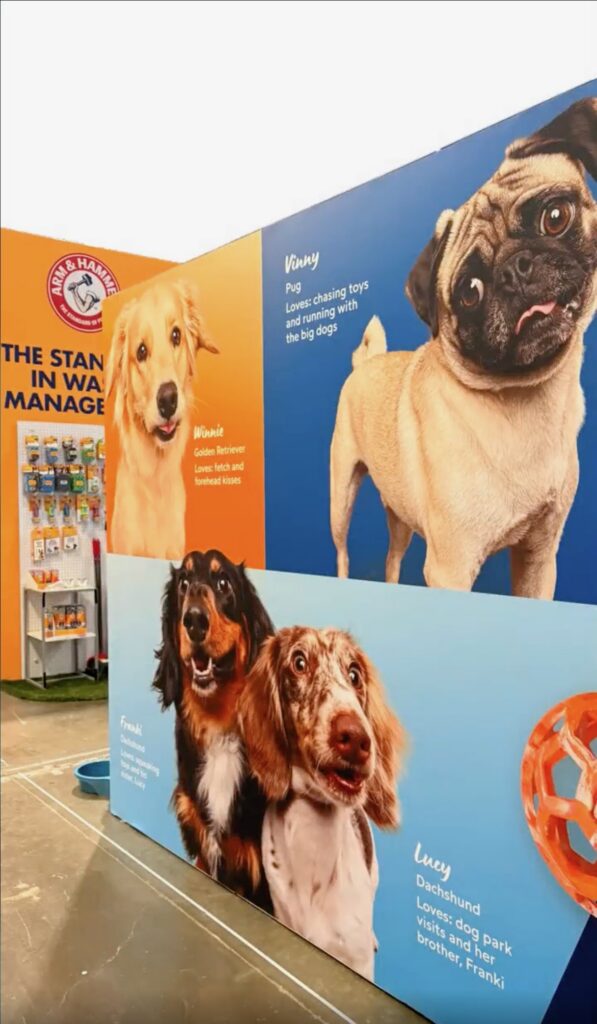
Global Pet Expo wrapped last week, showcasing the newest and most innovative pet products on the market. Dog models from around Dallas-Fort Worth were featured prominently at multiple toy, treat, and product booths, photographed by Haute Dog Pet Photography.
Now, for the first time, we’re pulling back the curtain and sharing how we select and cast dog models for commercial work.
What “Commercial Dog Modeling” Actually Means
Before we get into how we cast, it’s important to understand what commercial modeling really is for your dog.
When brands use pets in advertising, they are trying to achieve something specific:
- Create emotional connection
- Showcase a lifestyle
- Demonstrate a product
- Add personality to a campaign
We source dog models for a number of uses, including photo and video commercial shoots, product packaging, magazines and publications, in-person events, trade show demonstrations, and more.
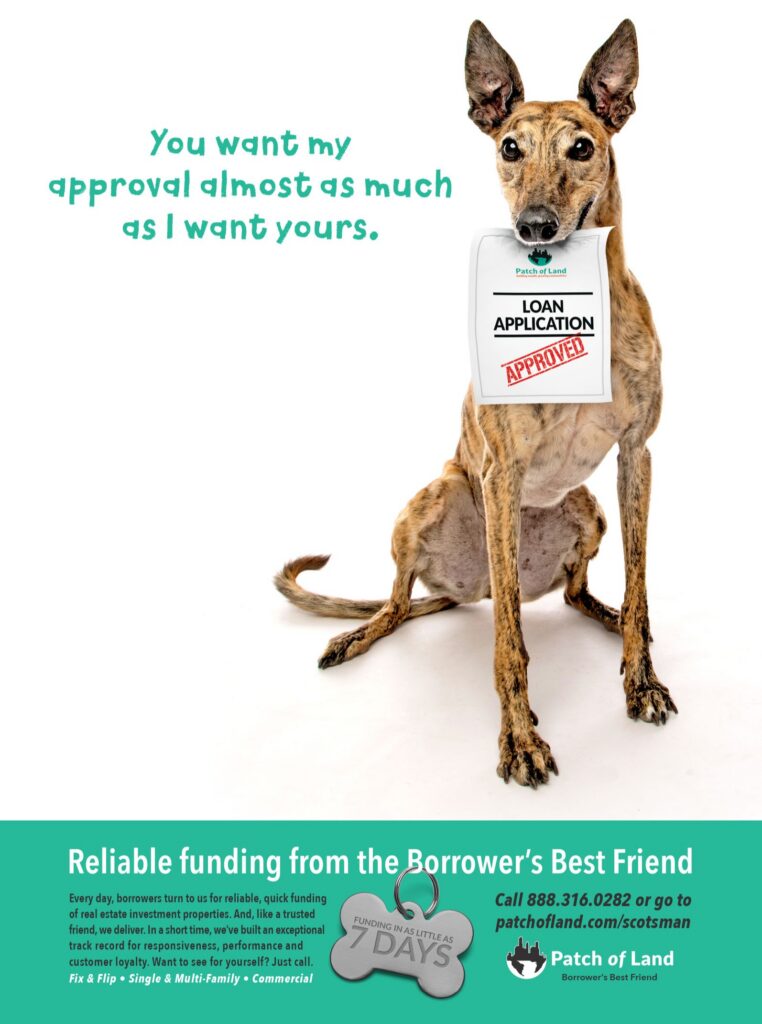
Even for non-pet brands, pets are powerful marketing tools because they make content feel more real and relatable. When we photographed for a private money lender, they wanted dogs holding loan documents because it breaks the standard narrative. Home buyers tired of the same marketing pitches saw dogs seeking their approval instead, and it humanized the company.
A commercial dog model needs to:
- Fit the visual concept
- Perform reliably
- Stay calm in a sometimes high-stimulation environment
Casting is the process of aligning all of those, and that’s where the Dallas Dog Model Database comes in. With over 2000 dogs (and a handful of other pets), our database allows us to pair the right pets with commercial model opportunities. Based on the brand’s specifications, we submit model cards with photos and highlights about how the candidate meets their needs.
Types of Dog Model Casting
No two commercial animal photoshoots are the same. The casting process always begins with the client’s needs. A specific breed, an age group, a physical or personality trait, or sometimes just an open casting. We then review our files and provide options for the best fit for the job, and the company provides the ultimate decision for dog model selection.
When a brand hires us for a commercial shoot, they’re not just asking for photos.
They’re asking for:
- a specific look
- a specific feeling
- a specific type of dog that helps tell their story
That might be:
- playful and energetic
- calm and elevated
- quirky and expressive
- polished and refined
Our job is to find the dog that naturally fits that vision. Not force a dog into it.
Here are a few real-life scenarios of corporate requests for dog models that we have fulfilled.
Breed-Specific Casting
Sometimes, the request is very clear:
- “We want a Poodle with a white coat – in a show cut if possible”
- “We need these 11 breeds”
- “We are looking for a Boykin Spaniel”
In these cases, accuracy matters. The dogs must match the brand’s vision exactly. Whether your dog is from a breeder or a rescue, their physical appearance must closely match the breed standard and be easily recognizable. That means we are looking for the correct size, coat color, markings, and more.
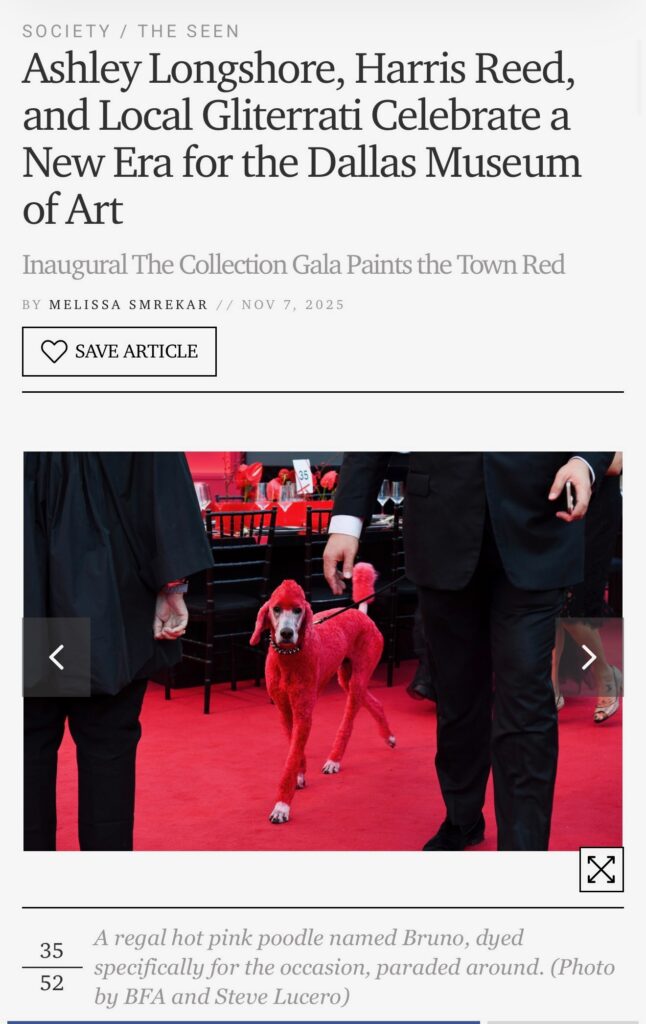
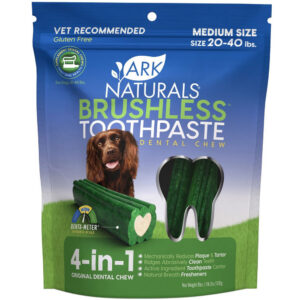
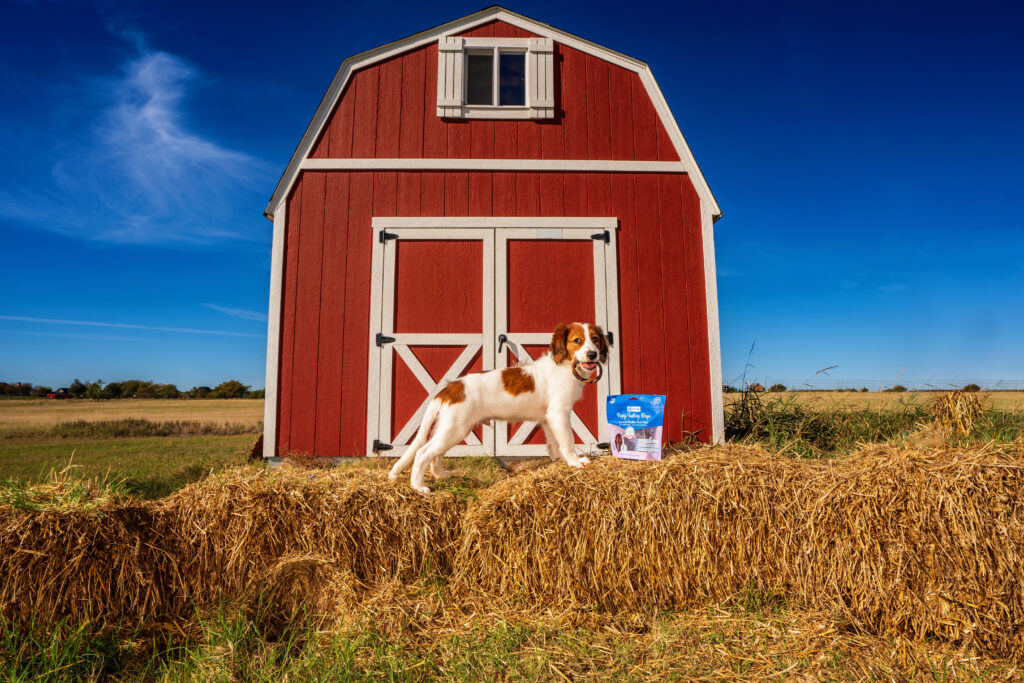
Bruno the Poodle was selected to walk the red carpet at the Dallas Museum of Art during a gallery show designed by Todd Events (Todd Fiscus). We photographed Theo the Boykin Spaniel for the product packaging for Ark Naturals dental chews.
Trait-Based Casting
Other times, the brand is more flexible and wants a particular look, rather than breed.
- “Medium-sized dog”
- “Family-friendly look”
- “A group of puppies”
- “Hairy/messy looking”
In these cases, we cast dog models based on their personality, expression, size, or age. We are looking more at the overall character than at specific breed.
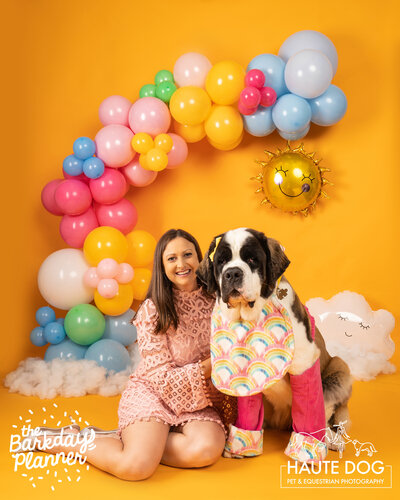
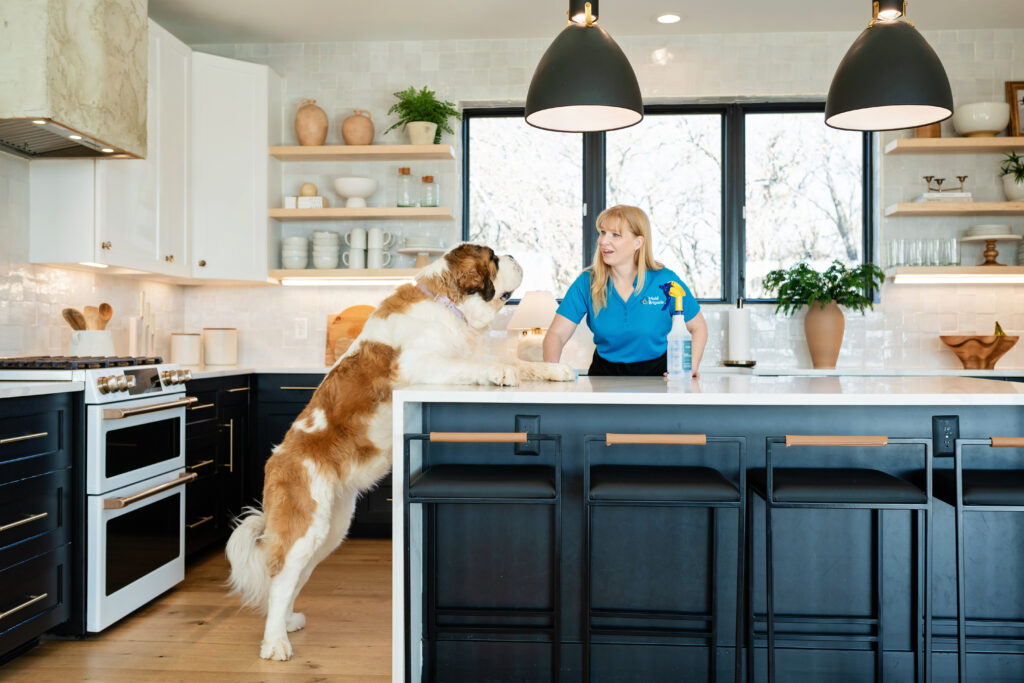
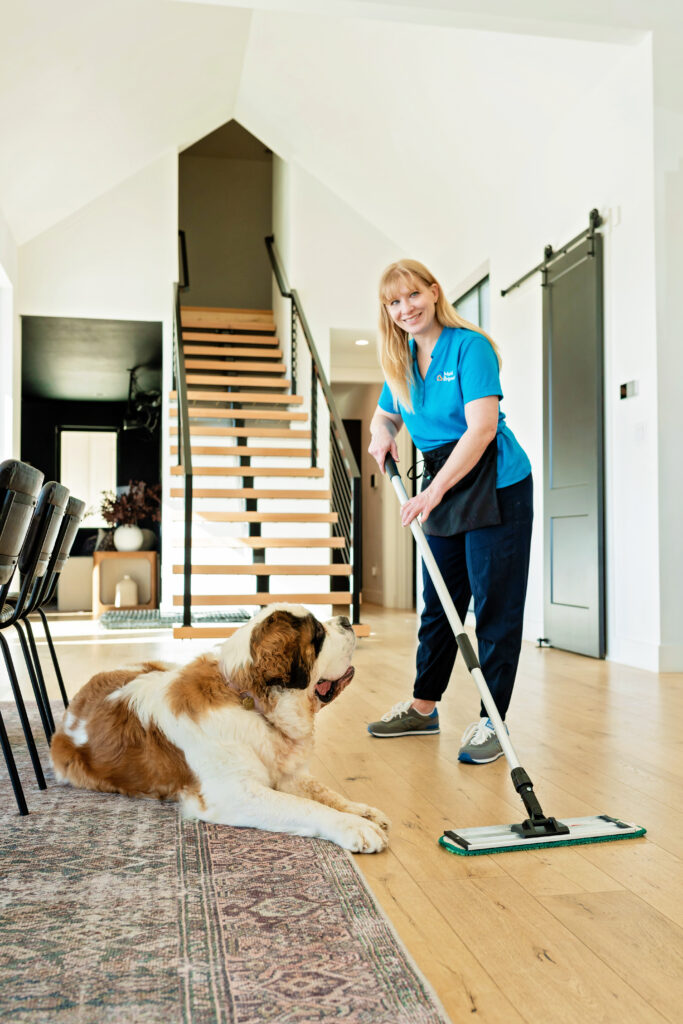
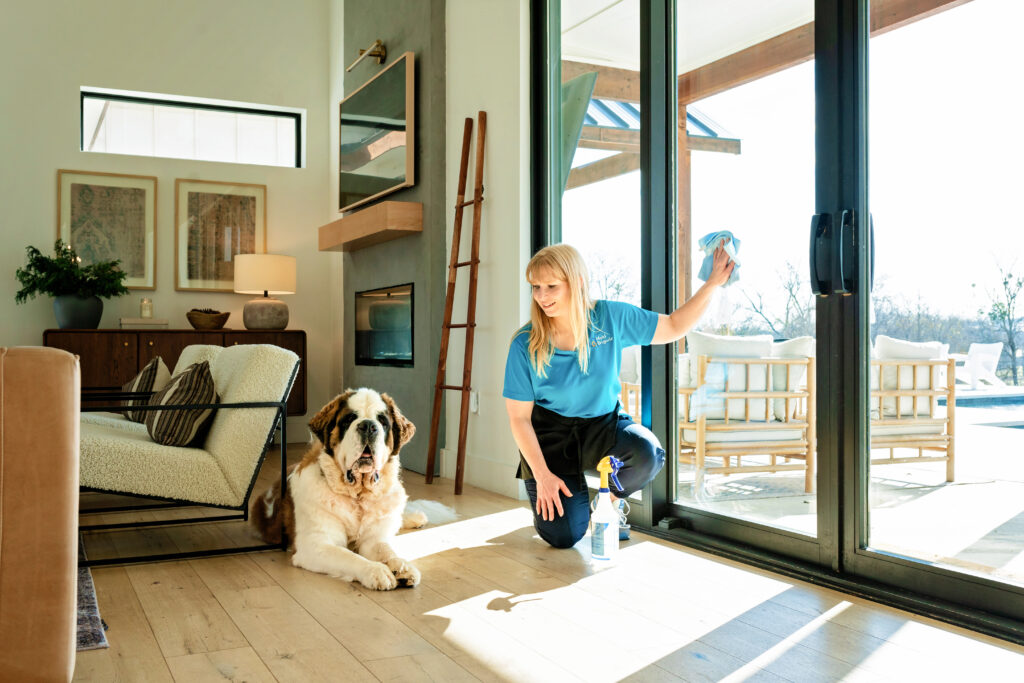
Nora the Saint Bernard was selected to model for a cleaning company. Her hairy, slobbery look was the perfect fit to make potential clients laugh at the realities of dog ownership and how Maid Brigade could make their lives easier. A pristine-white low-shedding Bichon would not have made the same point.
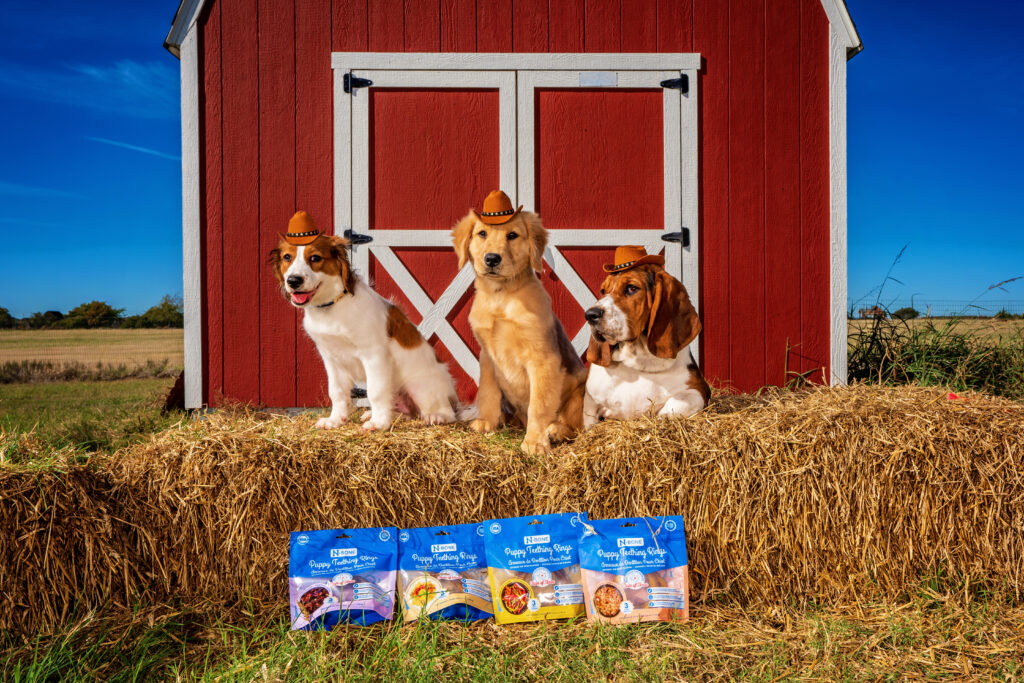
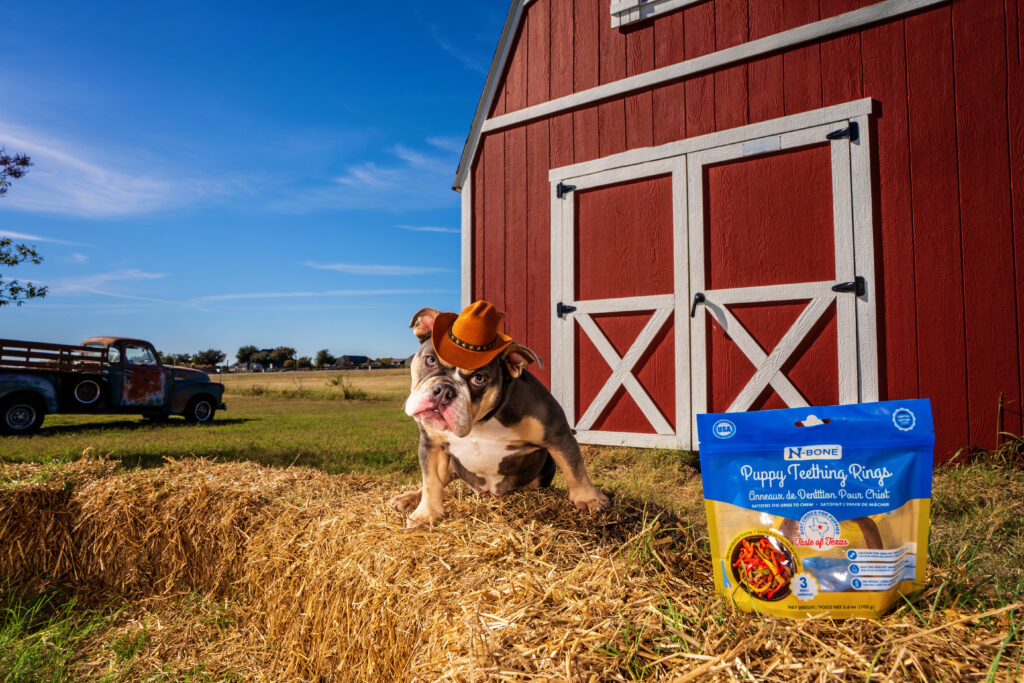
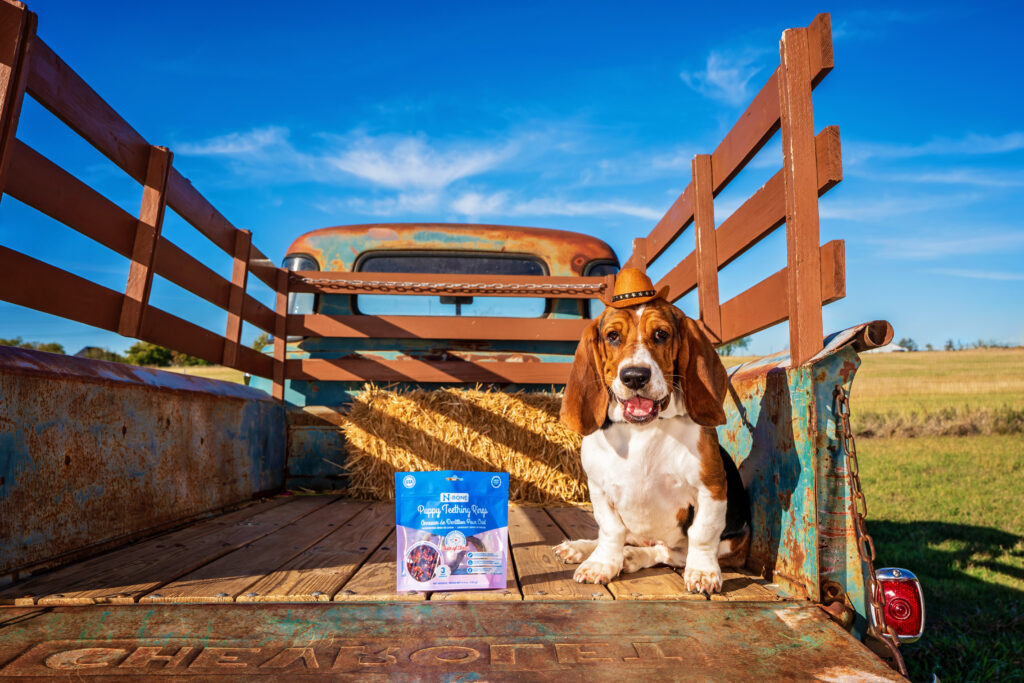
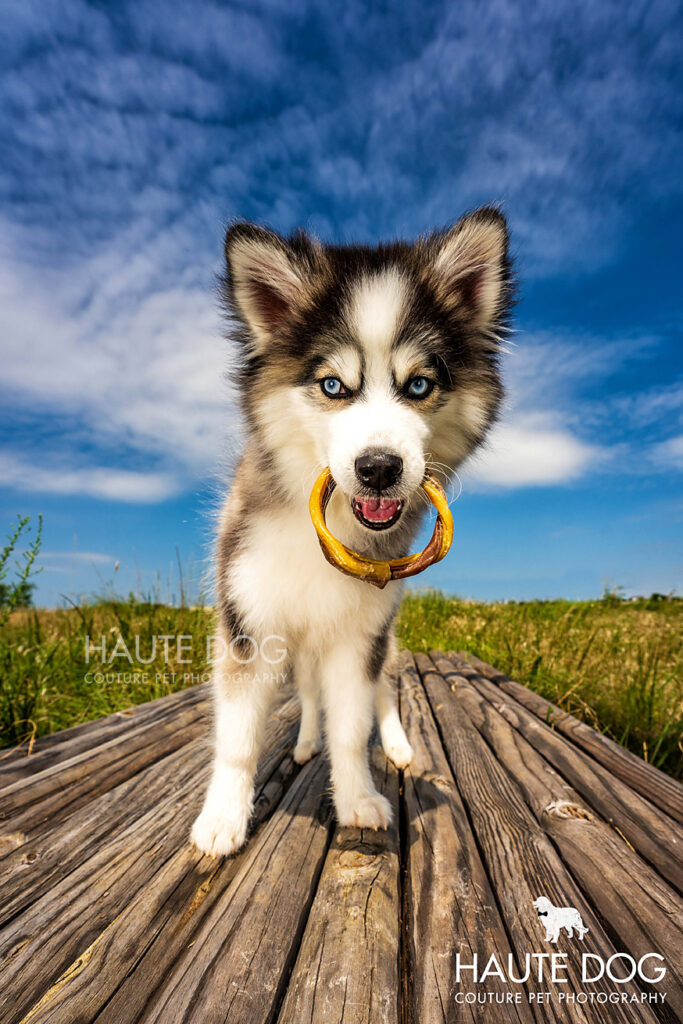
NPIC Premium Natural Pet Treats requested a group of puppies to model for a photo and video commercial shoot to showcase their new line of Texas-flavored puppy teething rings. We cast a variety of breeds for a well-rounded campaign.
Open Casting
Occasionally, the client opens casting completely. They don’t specify breed or look. They want the best possible dog for the concept.
This is where our experience matters most. Because we’re not just filling a role now, we’re shaping the visual identity of the campaign.
When Chuckit! enlisted us to find the dog model for their video commercial, they needed a dog with a high fetch drive. We were on set for nearly 10 hours, so if the dog was satisfied after a few throws, the entire energy of the commercial would have fallen flat.
NPIC hired us to photograph several of their dog and cat treats. There were no requirements for breed, but we needed pets who would confidently engage with the chews in front of the camera.
How We Identify and Submit Dog Models for Consideration
Our First Choice: Dogs We Already Know
The first place we look for dog models is not a random search. It’s our past clients.
Why? Because we already know:
- How their dogs behave
- How they respond to direction
- How they handle new environments
That familiarity removes risk. In commercial production, risk is expensive. It costs us our reputation and it costs the brand money if the dog model doesn’t hit the mark.
A dog who has already been in front of our camera has effectively been pre-tested. They may not have done commercial work before, but they’ve already proven something critical:
They can show up and work the camera.
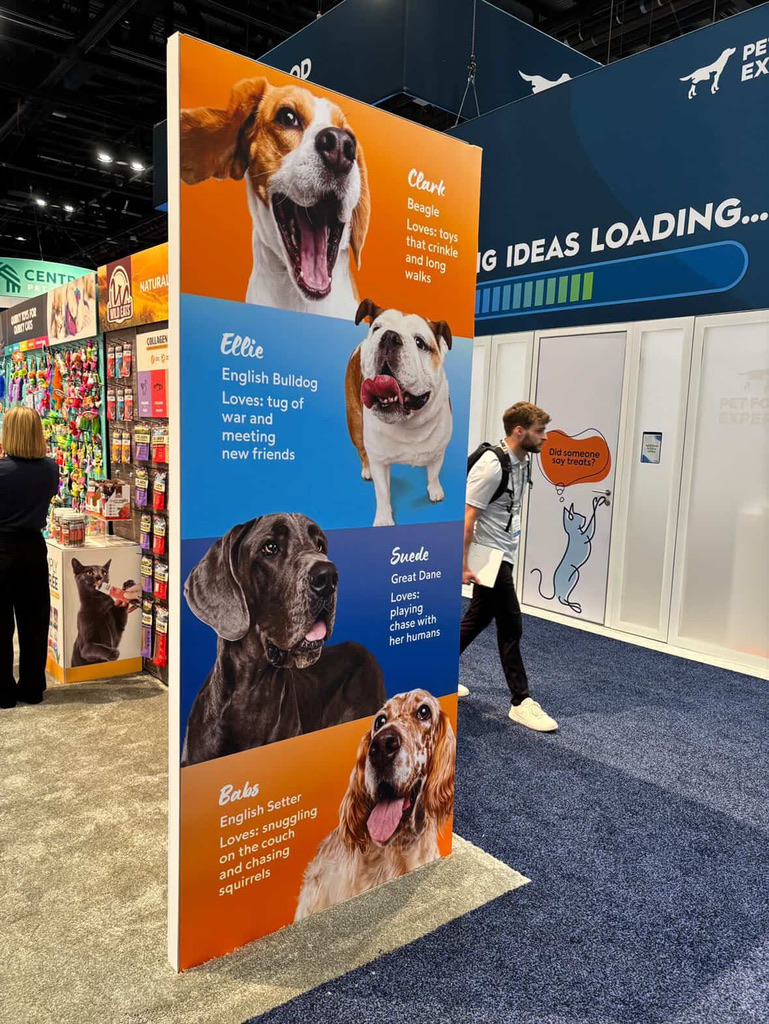
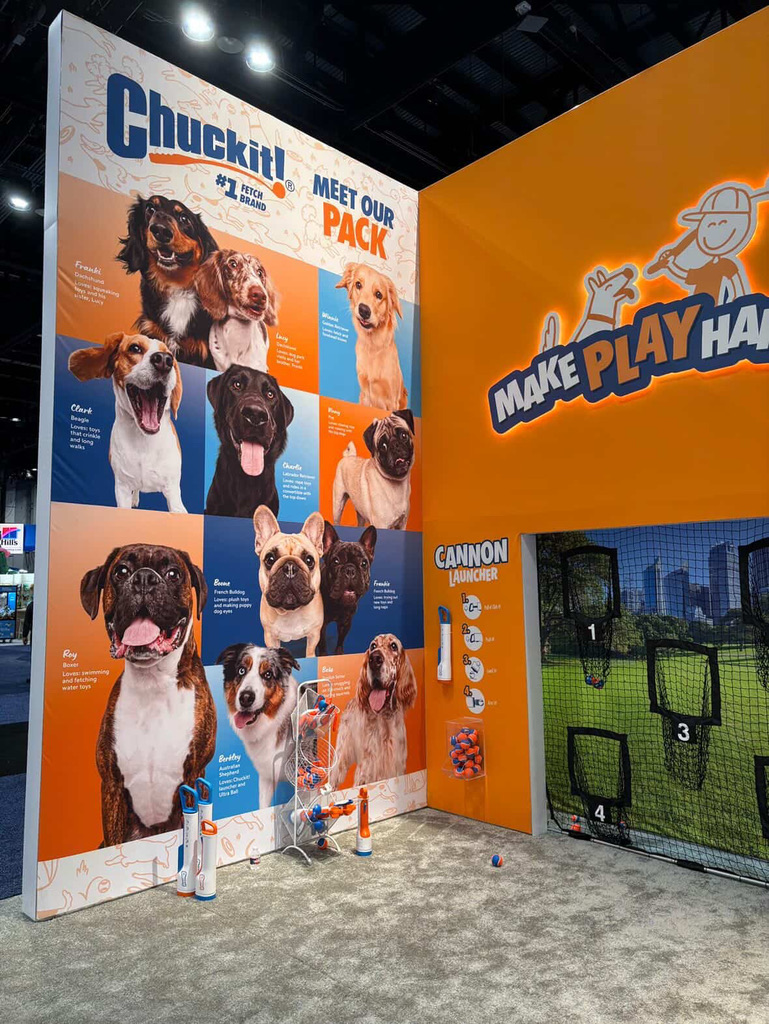
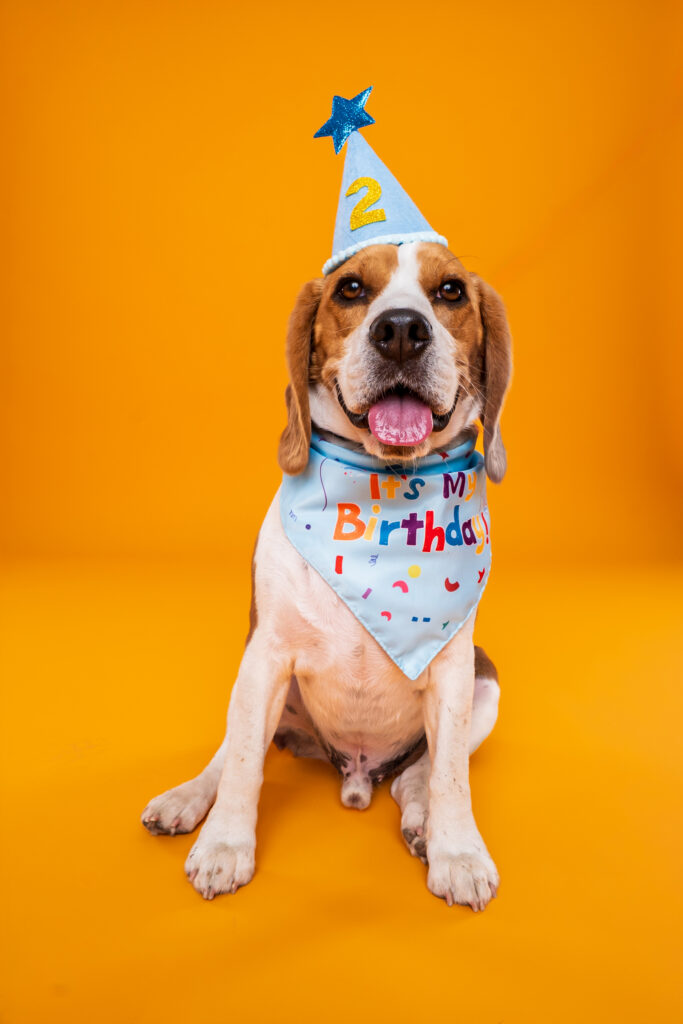
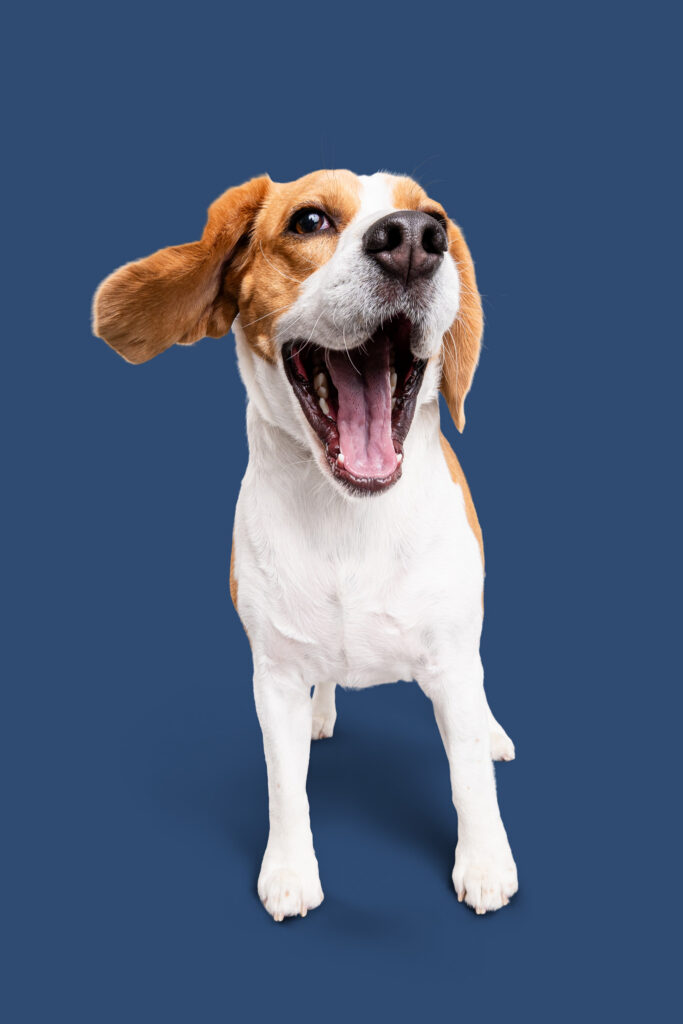
We photographed Clark the Beagle for his birthday. Shortly after, Chuckit! requested a Beagle for their campaign and we knew exactly who to call for camera-ready smiles. Find him on the right featured in Chuckit’s “pack” (and note that the company didn’t print the photo with both eyes staring at the camera, they selected the one with personality, movement, and joy!).
The Dallas Dog Model Database: Built for Precision Casting
If we don’t already have the right dog in mind, we turn to our database. This isn’t just a list of cute pets. It’s a curated system designed for casting.
We can quickly narrow down dogs based on:
- Breed
- Size
- Age
- Temperament
- Obedience
- Coat color and texture
- Facial expression and presence
Luka was selected to model dog park equipment at a trade expo for a day. We knew he was the perfect fit when his submission photos included him sitting on CrossFit equipment at the gym.
Keep reading for tips to make your dog’s model application stand out!
When We Open Casting to the Public
Sometimes, we need fresh faces or highly specific traits. That’s when we post a dog model call to Facebook, Instagram, our email list, or through targeted outreach.
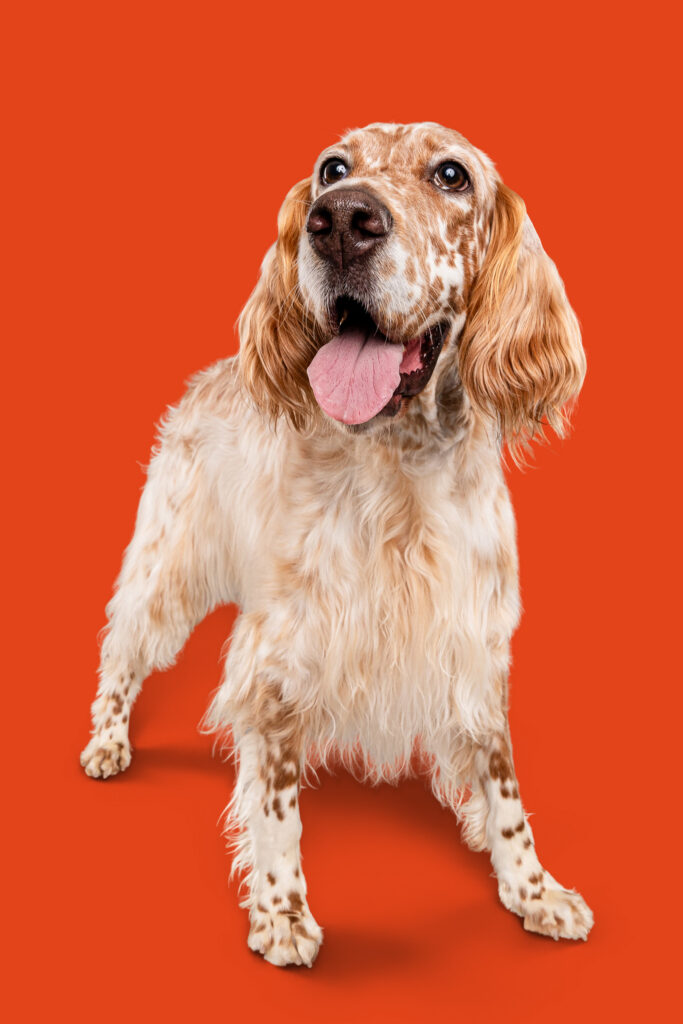
Less-common breeds like English Setters are not abundant in our dog model database, so we targeted outreach to Babs and Josie’s breeder through a mutual connection.
Personality Is What Actually Gets Dog Models Cast
Rarely are we casting the most trained dog.
We are casting the dog that makes people feel something.
The dogs that stand out almost always have one thing in common: they are expressive.
What That Looks Like on Camera
- Eyes that lock in and hold attention
- A head tilt that feels hilarious
- A goofy grin that makes you smile instantly
- A calm, regal posture that feels elevated
- A unique feature that makes them unforgettable
Sometimes it’s subtle. Sometimes it’s bold. But you know it when you see it.
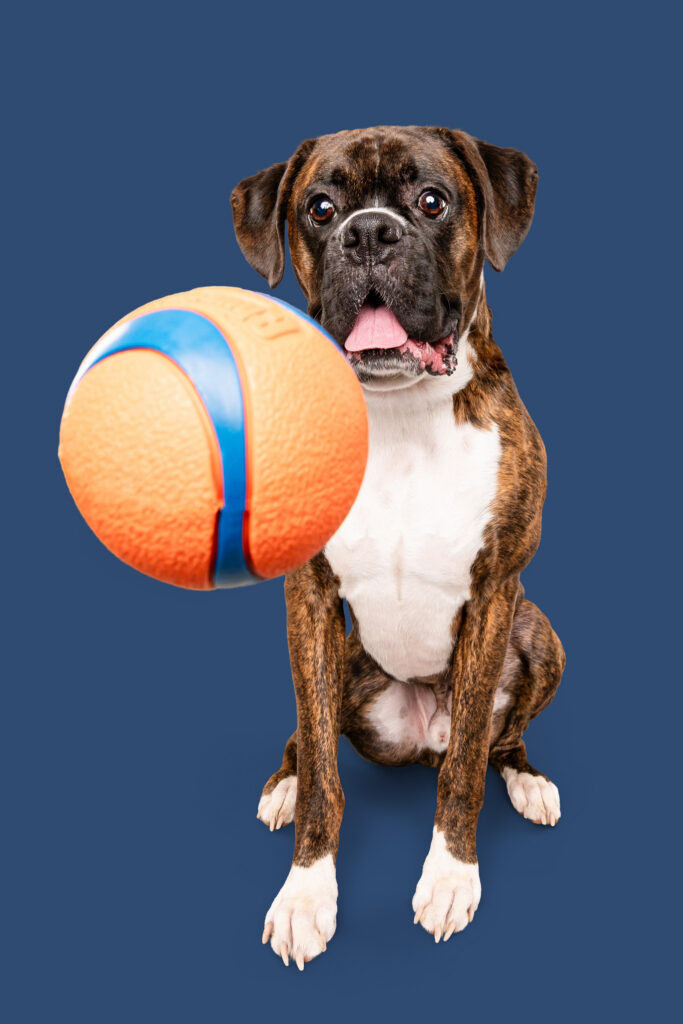
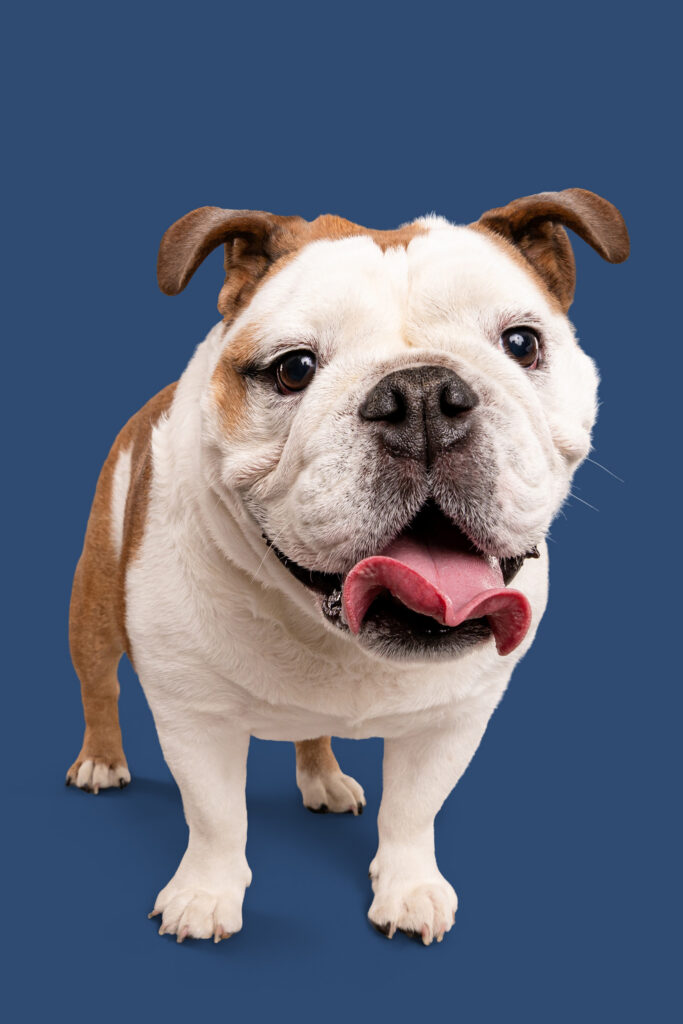
Boone and Frankie the French Bulldogs were cast for Chuckit! because we knew they had that X-factor in front of the camera. They were previous clients with no shortage of personality and charisma. Roy, the Boxer, was cast for his goofy good looks. Ellie, the English Bulldog and also a prior client, was selected because the Chuckit team loved her expressive eyes and floppy ears.
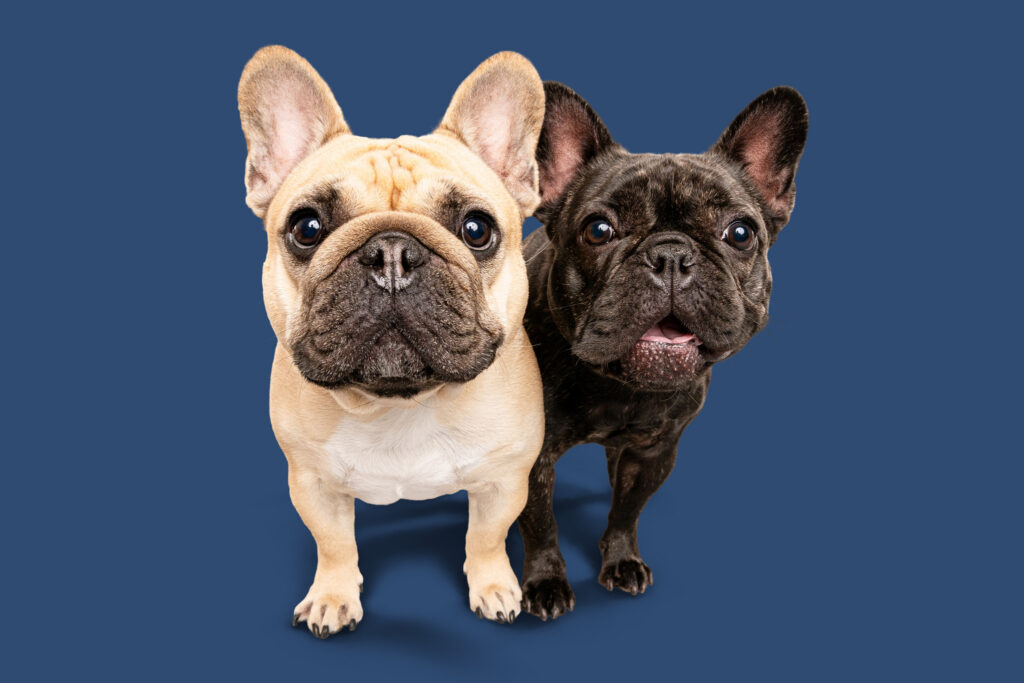
Why Personality Matters More Than Perfection
Some of the most memorable dogs we’ve photographed weren’t the most obedient.
They were curious, engaged, a little dramatic, or full of opinions. And that translates beautifully on camera, because personality creates connection. And connection is what brands are actually buying.
Where Does Training Factor into Being a Dog Model?
This is where things get interesting. Because while personality gets a dog noticed…training is what allows us to capture it.
Think of it like this:
- Personality = why your dog is selected
- Training = how we get the hero shot
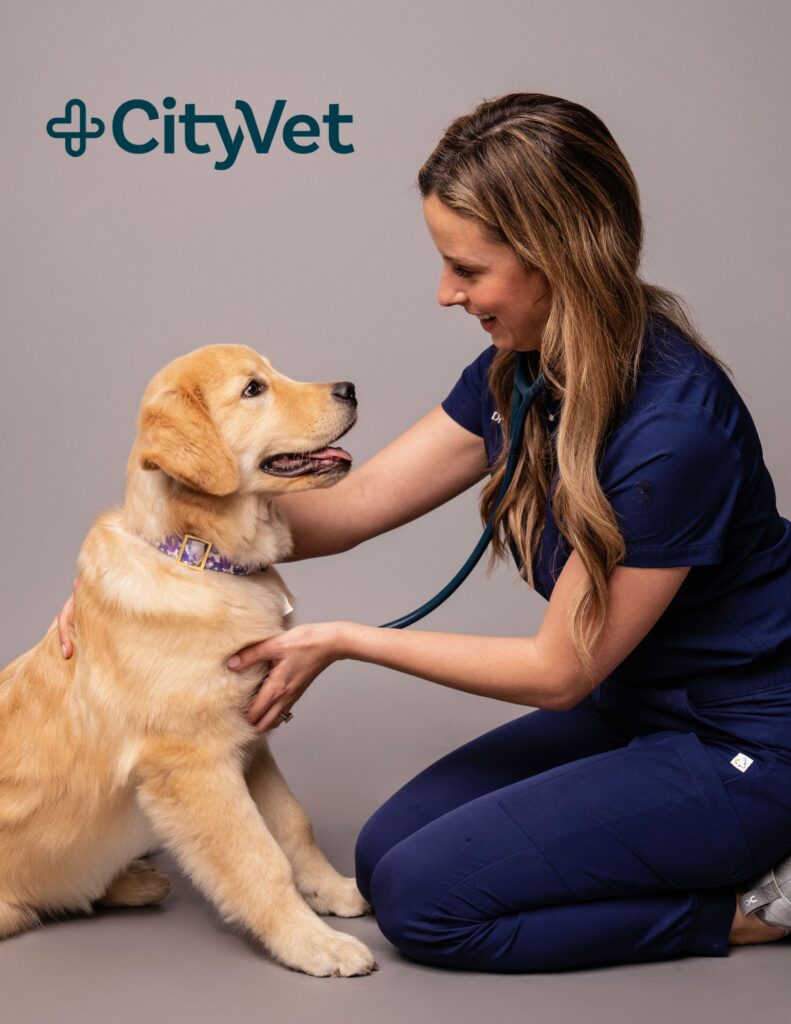
Both matter. But they don’t carry equal weight. As a professional pet photographer with over 12 years of experience, we can far more easily encourage behaviors than fabricate personality.
What Makes a Dog “Easy” to Work With on Set
We’re looking for dogs who can:
- focus for more than a few seconds
- re-engage when distracted
- handle a new environment without shutting down
- repeat simple behaviors
That’s it. Not advanced tricks. Not competition-level obedience. Just enough consistency to support what’s already there.
So… Could Your Dog Be a Model?
We encourage everyone in the Dallas-Fort Worth area to apply. You do not need a perfectly trained dog to be considered. Please note that we do not include compensation for travel in our model packages and will not select pets located outside the DFW Metroplex to minimize risk of travel mishaps. Additionally, weather delays may result in last-minute schedule or location changes, which local dog models can more easily accommodate.
If your dog:
- has expressive eyes
- reacts to you and strangers
- has a unique look or energy
- makes people stop and smile
There’s a very good chance they have what we’re looking for.
Submit your FREE application to the Dallas Dog Model Database using the button below.
Want an Added Advantage to Get Your Dog Selected?
The question isn’t: “Is my dog good enough?” It’s: “Would that personality show up the same way on a photoshoot?” The harsh reality: some dogs struggle when it comes time for the audition video because their personality doesn’t always translate the way their owner expects in their application.
If you’re curious where your dog really stands. And what it would take to move from “maybe” to “ready,” we created a guide that breaks it down honestly.
No fluff. No guesswork. Just the real standards.
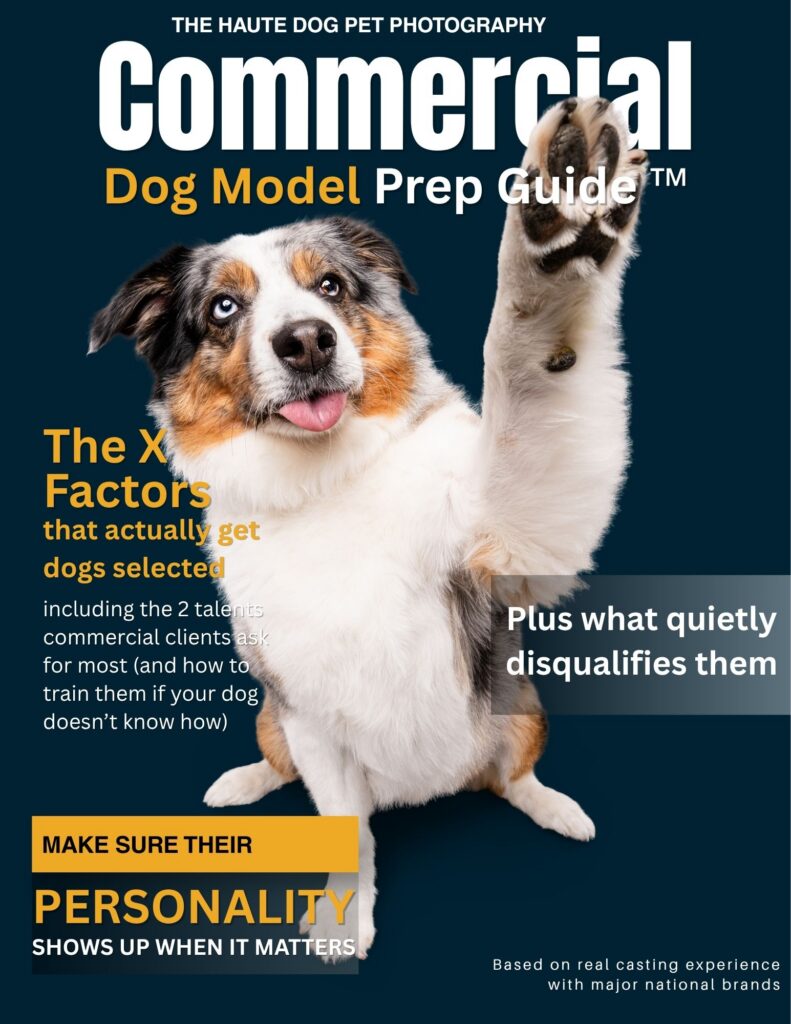
The Commercial Dog Model Prep Guide™ breaks down:
- the X factors that actually get dogs selected
- what disqualifies your application (and how the frontrunner for the Chuckit! commercial lost the job)
- how to build camera presence
- the two most requested tricks from commercial clients (and how to train them)
- tips for photo submissions
- how we evaluate audition videos
- readiness checklist
- and how to make sure your dog’s personality is the thing that comes through when it counts
You don’t need to change your dog. You don’t need to turn them into something they’re not. The goal is simple:
Take the personality you already love, and make sure it’s the exact thing we see when the camera comes out.